Our Story
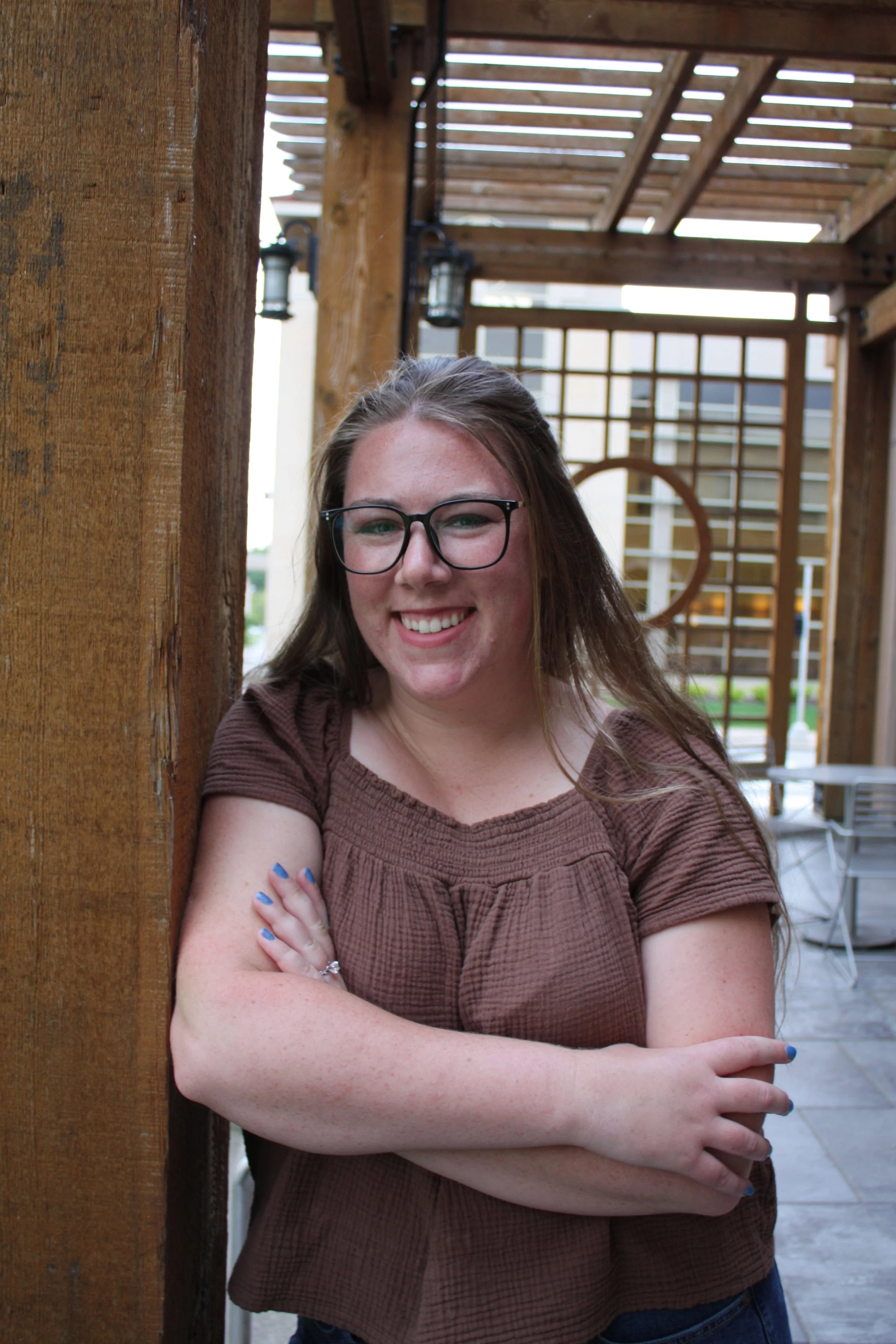
My Why to Chiropractic
My faith journey started right before I began chiropractic school at Palmer. It wasn’t something I grew up deeply rooted in. It came at a time when I was stepping into something new and uncertain. Looking back, I know that timing wasn’t accidental.
Starting chiropractic school was exciting, but it was also overwhelming. I was learning constantly, being challenged constantly, and pushed in ways I hadn’t been before. There were moments that felt steady, and moments that felt heavy. During that time, I learned to turn to prayer. I prayed often. Sometimes I felt a clear yes. Sometimes the answer was no. And a lot of the time, the answer was not yet. The “not yet” seasons were the hardest. I knew the calling was there I just didn’t know when things would fall into place. That waiting stretched my faith more than anything else. It taught me trust when I didn’t have control. The reason I made it through school wasn’t just determination. It was God and my husband. God was my hope, my courage, my wisdom, and my why. My husband stood by me through the long days, the stress, and the uncertainty. He was patient when I was tired and steady when things felt heavy. I wouldn’t be here without him, or without the people who helped lead me to God. As I open this practice, I want it built in that same order.
Faith.
Family.
Chiropractic.
Beyond the Spine exists because of everything I’ve lived and learned. It’s a place for gentle, thoughtful chiropractic care. A place for women and families who want to understand their bodies better. A place that respects the nervous system, honors God’s design, and values care that isn’t rushed.
Looking back, I can see my body was asking for support before I really understood what was going on.
I was on birth control for about eight years. Toward the end, my periods stopped altogether, even before I decided to come off of it. That was the moment I really paused and thought, something isn’t right. Around the same time, I was learning more in school about how birth control affects the body. Between what I was experiencing and what I was learning, I knew it was time to stop. That was the point where I stopped ignoring it and started trying to understand my body better.
This was all happening while I was already in chiropractic school. I was learning the science, how the body works, and what stress actually does to the nervous system over time. At the same time, I was living it in my own body. That overlap mattered. I wasn’t just studying these systems. I was starting to recognize myself in them. Symptoms I had struggled with for years began to make sense. Not all at once, but enough to know I needed to approach my health differently.
At that point, I had already learned a lot medically. This was the moment I started putting that knowledge into practice. Not just treating symptoms, but looking at the whole picture. Paying attention to stress, routines, hormones, and how my body was adapting. That shift changed how I understood the body. And it shaped the kind of care I wanted to offer other women.
As school went on, that clarity stayed with me. The more I learned, the more confident I felt that I was in the right place. Chiropractic didn’t just make sense academically it made sense when I looked at real people and real life. Things like stress, hormones, digestion, sleep, and healing finally felt connected instead of separate. I wasn’t just studying information for exams. I was starting to understand how it actually shows up in people day to day.
I had always known I wanted to work with kids. That part was never a question for me. What surprised me was pregnancy and hormones. That wasn’t something I thought I’d focus on. I didn’t come into chiropractic planning to work with menstrual cycles or women’s health. But as I learned more, and as I paid attention to my own body, it became more important to me to help other women understand their own bodies.
I started seeing how closely everything was connected. How stress, hormones, and the nervous system influence each other. And how often women are told their symptoms are normal, without being given much support. It felt familiar. And it felt important. Over time, working with women and families didn’t feel like a shift away from my original goal. It felt like a deeper understanding of it.
This is the work I feel called to do. And I’m grateful to do it here.